
FREE Cold Weather Preparedness Guide
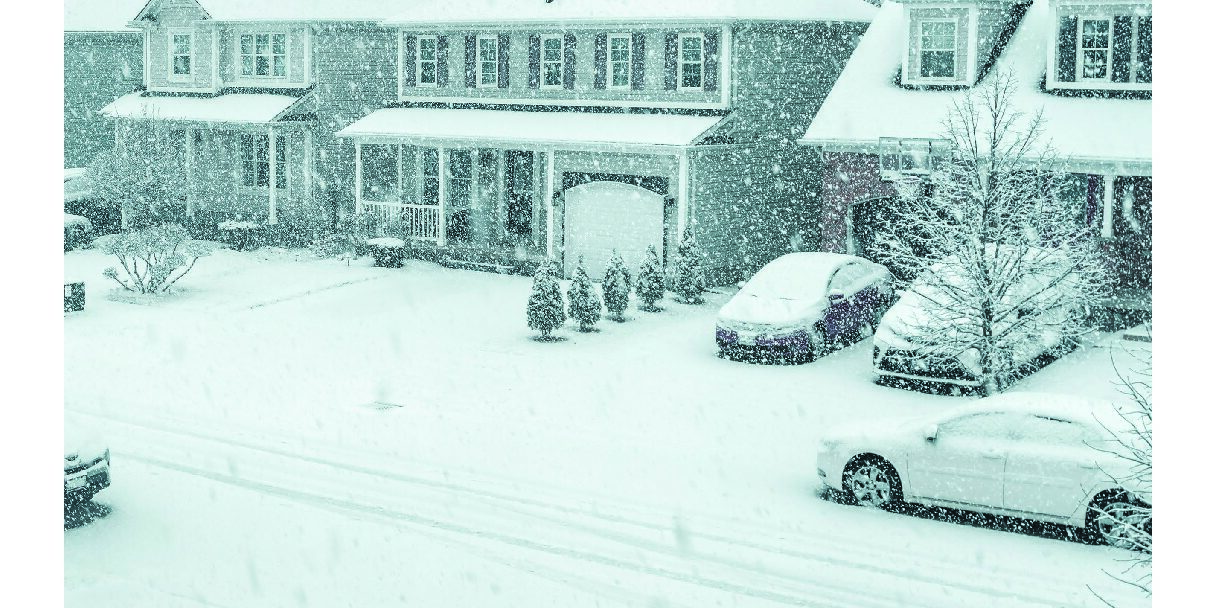
Winter storms can arrive quickly, bringing freezing temperatures, ice, snow, power outages, and dangerous travel conditions. The best time to prepare for a winter storm is before the forecast turns bad—not when the snow is already falling and everyone is scrambling for supplies.
A little preparation now can make a major difference when your family is facing a prolonged outage or severe winter weather.
Here are some of the most important steps you can take to prepare your home, your family, and your backup power system before the next winter storm hits.
1. Build Your Emergency Supplies Before You Need Them
Start with an emergency kit that can keep your household comfortable and safe if you lose power or access to stores.
The Generac Cold Weather Preparedness Guide recommends preparing supplies such as:
- A seven-day supply of non-perishable food
- Drinking and sanitation water
- Flashlights and extra batteries
- A battery-powered emergency or NOAA weather radio
- First-aid supplies and essential medications
- Blankets and extra warm clothing
- Snow shovels and rock salt
- A manual can opener
- A fire extinguisher
- Extra cash in case ATMs are unavailable
- Cell phone chargers and backup batteries
- Important family and emergency contact information
Don’t forget your pets. Have at least a week’s supply of pet food and water, medications, leashes, carriers, and other necessities ready as well.
2. Make a Family Emergency Plan
When a storm knocks out power or disrupts communication, having a plan can prevent confusion.
Identify your nearest warming centers and emergency shelters, including which locations allow pets. Establish a primary and backup meeting place for your family, and keep maps available in case cell service or internet access becomes unavailable.
It’s also important to plan ahead for anyone in your household who depends on electricity for medical equipment. Know how that equipment will be powered during an extended outage.
3. Check Your Home Before the Weather Arrives
A few simple inspections around your property can help prevent problems when snow, ice, and freezing temperatures arrive.
Before a storm:
- Trim trees and branches that could fall onto your home or power lines.
- Inspect your heating system and make sure it is operating properly.
- If you use a fireplace or wood stove, have the chimney or flue inspected.
- Know where your home’s water shutoff valves are located.
- Consider whether faucets should drip during extremely cold weather to help prevent freezing.
- If you will be away during a cold-weather event, keep the heat set to at least 55°F.
- Charge cell phones, power banks, and other essential electronics.
Also make sure your smoke and carbon monoxide alarms are working. The guide recommends interconnected CO alarms, with alarms on every level and outside sleeping areas. Test them regularly and replace batteries as needed. Never ignore a carbon monoxide alarm.
4. Get Your Generator Ready Before the Storm
If you have a home standby generator, don’t wait until the power goes out to find out whether it’s ready.
Before winter weather arrives:
- Keep at least 3 feet of clearance around the generator.
- Remove leaves, sticks, dirt, snow, and other debris from the enclosure.
- Inspect fuel and oil lines for leaks or damage.
- Check the fuel system for corrosion or other concerns.
- Check the battery charge and clean the terminals.
- Inspect the air filter, spark plugs, and sediment trap.
- Check the oil level, especially if the generator may need to run continuously.
Don’t Forget Your Fuel Supply
If your standby generator runs on propane, make sure your tank has enough fuel to get through a prolonged outage.
Storms can create a rush of emergency service and fuel-delivery calls, so waiting until the last minute can leave you vulnerable. Schedule deliveries and check your fuel level before severe weather arrives.
5. Know the Rules for Portable Generators
Portable generators can provide valuable emergency power, but they can also create serious hazards if they’re used incorrectly.
Never operate a portable generator inside your home, basement, garage, or any partially enclosed area.
Carbon monoxide is colorless and odorless and can become deadly within minutes.
Portable generators should:
- Be operated outdoors and away from windows, doors, and vents.
- Be placed on a level, debris-free surface.
- Have adequate clearance for ventilation.
- Never be operated in standing water or direct rain.
- Use properly sized, undamaged extension cords.
- Never be connected directly to household wiring or plugged into a regular household outlet.
If a portable generator is being connected to a home’s electrical system, the guide specifies using a proper manual transfer switch for whole-home or selected-circuit backup.
Always follow the manufacturer’s operating instructions.
6. Know What to Do When the Power Goes Out
If the power goes out during a storm, conserve your phone battery and monitor emergency information using a battery-powered radio or other reliable source.
Unplug appliances and electronics to help protect them from potential surges when power returns.
If you’re using a portable generator, follow all generator safety precautions and maintain a safe operating area.
If a pipe bursts and water begins entering your home, shut off the electricity if it can be done safely and contact a professional. Never enter an electrically energized flooded area.
If your home becomes damaged or emergency officials order an evacuation, leave immediately and follow their instructions.
7. Stay Safe While Keeping Your Home Warm
If your heating system stops working, focus on keeping heat inside your home.
Close doors to rooms you don’t need and minimize opening exterior doors and windows. Use towels or other fabric to reduce drafts underneath doors, and cover windows at night.
Dress in layers, stay hydrated, and make sure you’re eating enough to maintain body heat.
If you use a space heater, fireplace, or wood stove, keep blankets, clothing, and other combustible materials away from the heat source and ensure proper ventilation.
Never use a generator indoors—even with the windows open.
And never use a gas stove as a substitute for home heating.
8. Don’t Forget About Food and Medicine
A prolonged outage can quickly turn into a food-safety issue.
The guide notes that food in a refrigerator is generally considered safe for about four hours without electricity. A full freezer can maintain a safe temperature for approximately 48 hours, or about 24 hours if half full, provided the door remains closed.
Keep refrigerator and freezer doors closed as much as possible.
If your household depends on refrigerated medication or electricity-powered medical equipment, make an alternative plan before the storm arrives.
9. Be Careful After the Storm
The danger doesn’t necessarily end when the snow stops.
Stay away from downed power lines and report them to your utility company or local emergency authorities. Never assume a fallen line is safe.
If you suspect a gas leak or your home has suffered severe damage, leave immediately and contact the appropriate authorities.
If your home has flooded because of a burst pipe, have a qualified electrician inspect the electrical system before power is restored.
And don’t drive on closed roads. Fallen trees and energized power lines may be blocking the roadway.
The Best Time to Prepare Is Before the Forecast
Winter weather is unpredictable. You can’t control when a storm arrives, but you can control how prepared your household is when it does.
Take the time now to check your emergency supplies, inspect your heating and backup power equipment, make a family communication plan, and know what to do if the electricity goes out.
When the storm hits, preparation isn’t about convenience—it’s about safety.
A few hours of preparation before a storm can save you days of stress afterward.
Stay safe. Stay prepared. Stay powered.
This article is based on recommendations from the Generac Cold Weather Preparedness Guide 2025. Always follow the manufacturer’s instructions for your specific equipment and local emergency guidance during severe weather.